Web Dev Project

Parafia Latowice - A Parish Website with a Self-Service CMS

Visit the live site (opens in a new tab)
My role
Co-author, full-stack developer
Co-author
Szymon Grzesiak
Engagement
Pro bono
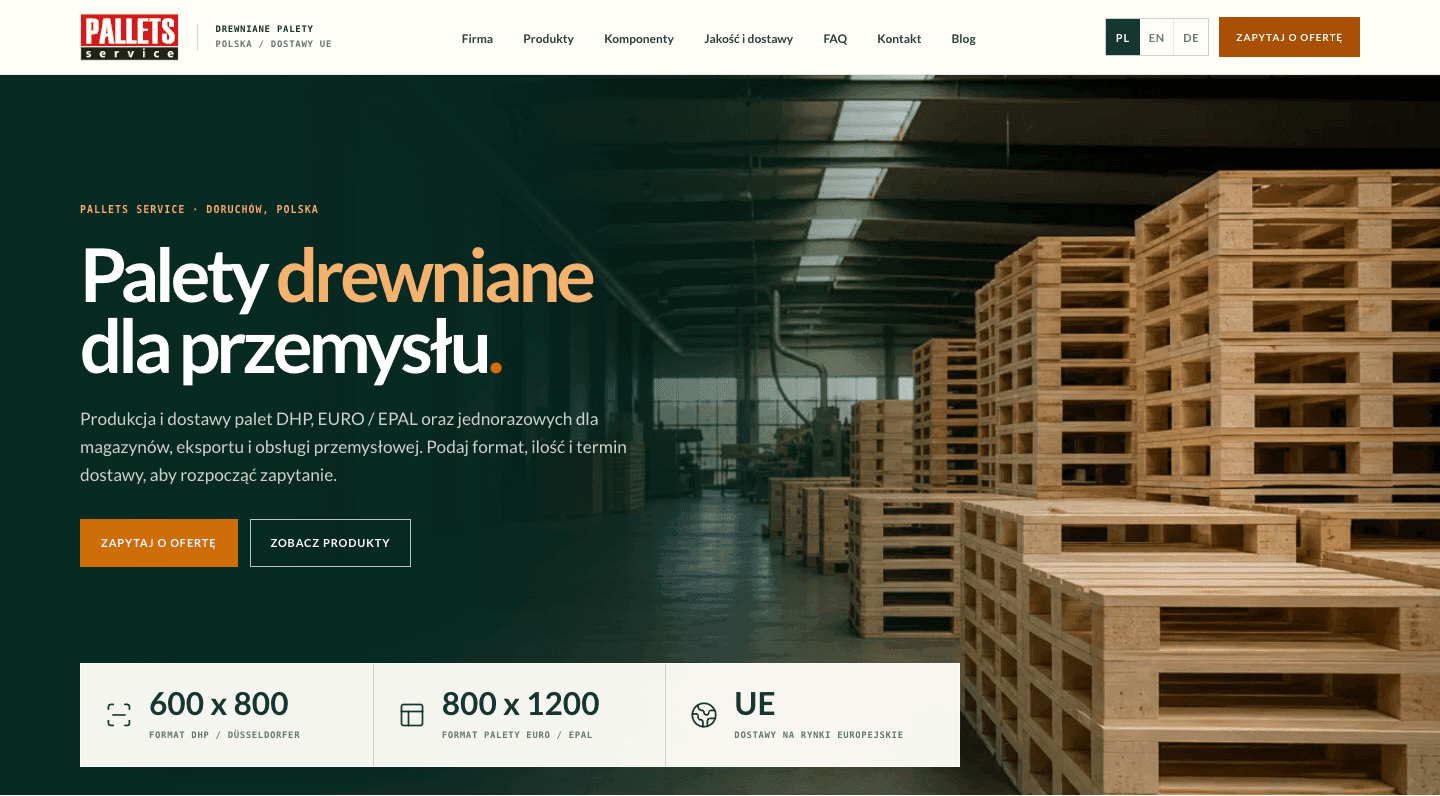
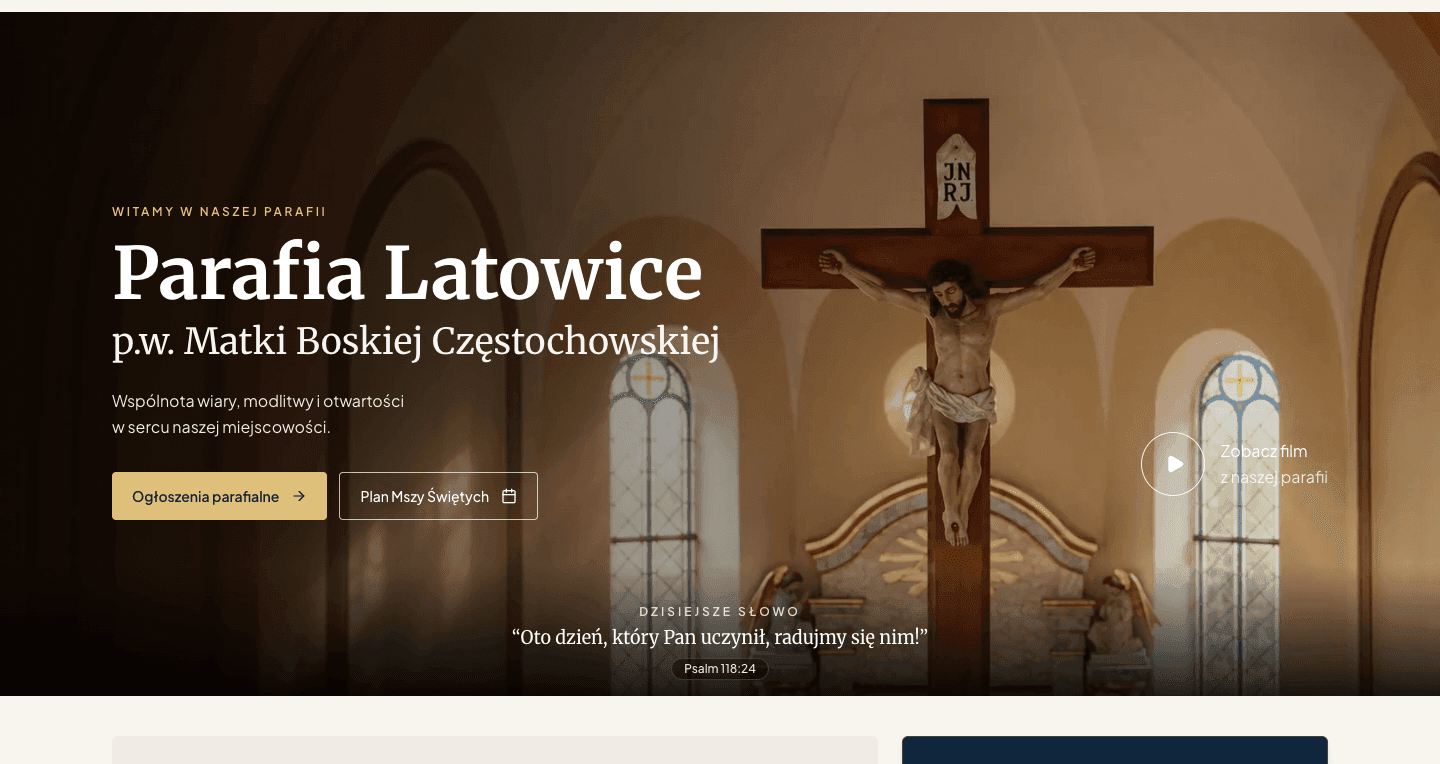
Parafia Latowice home page on desktop: the parish name over a photo of the church interior, with buttons for parish announcements and the mass schedule
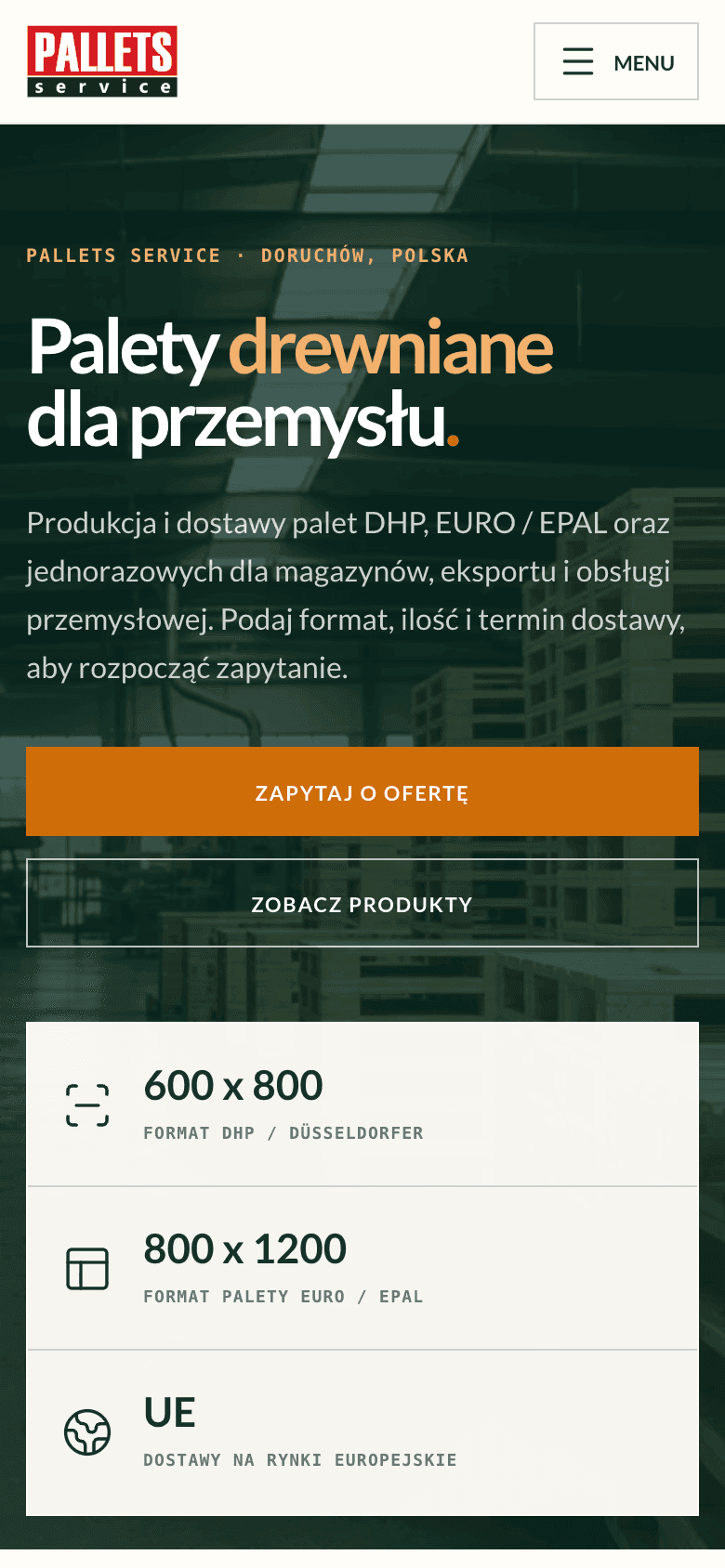
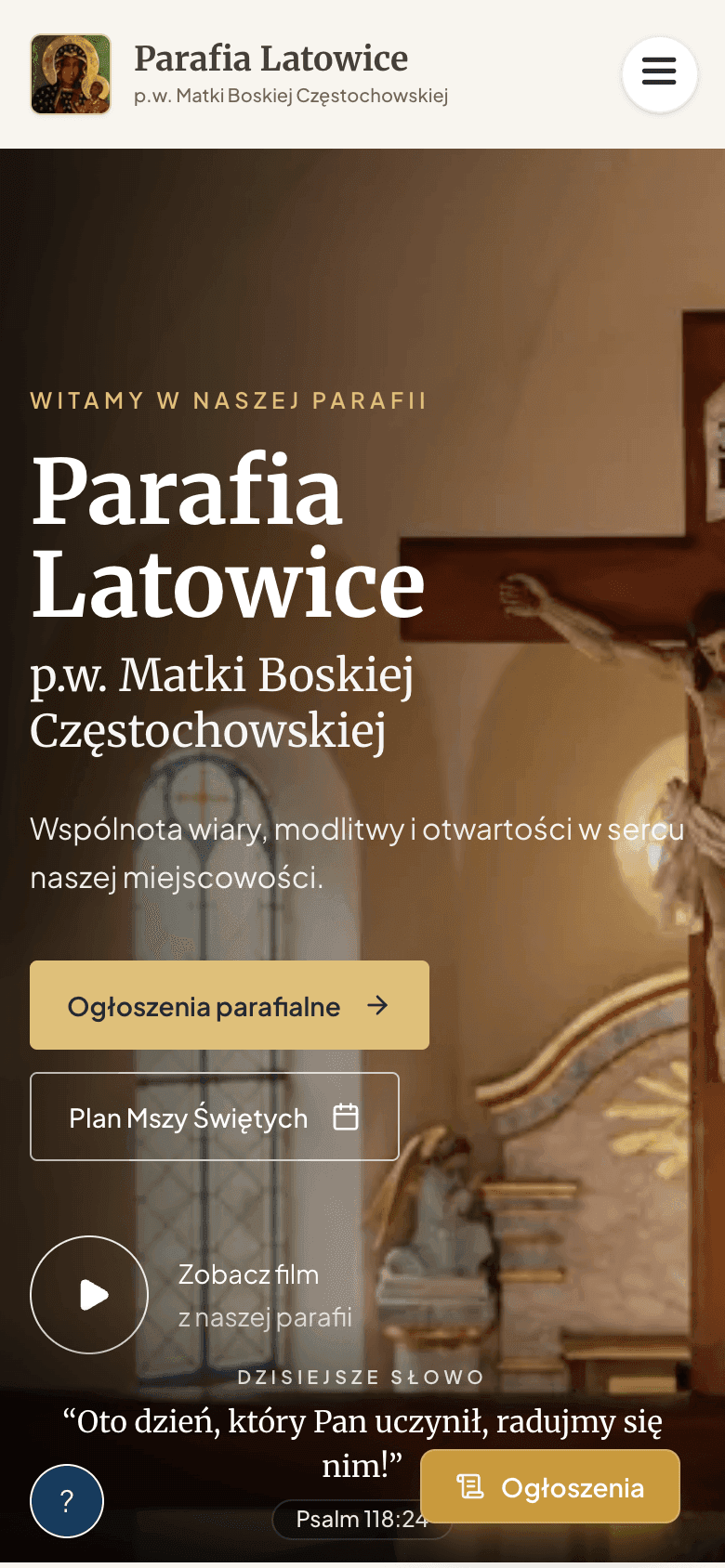
The same home page on a phone, with the navigation collapsed into a menu button and the buttons stacked

Overview

About the project

Parafia Latowice is the official website of the Roman Catholic parish of Our Lady of Częstochowa in Latowice, a village in Wielkopolska, Poland. Szymon Grzesiak and I designed and built it pro bono, as a contribution to our local community.

The site brings the parish's practical information together in one place. Each Sunday's announcements and mass intentions get their own page. There are also the mass and confession schedule, the requirements for each sacrament, downloadable documents, photo galleries and a contact form.

It also covers the parish's longer story: a history of the village and church going back to 1401, biographies of priests from the parish, and pages for its Caritas team, hippotherapy centre and mission projects.

Content is managed through a password-protected admin panel built on Supabase Auth, so new content can be published without touching code. Pages are statically prerendered and revalidated, and served from Vercel's edge network.
Problem

Problem statement

A parish community relies on information that changes every week: announcements, mass intentions and schedule changes. It also has a lot of reference material, such as sacrament requirements, documents and its history. The goal was one fast, mobile-friendly website where parishioners can find all of this quickly, that can be kept up to date without changing code, and that search engines can index properly.

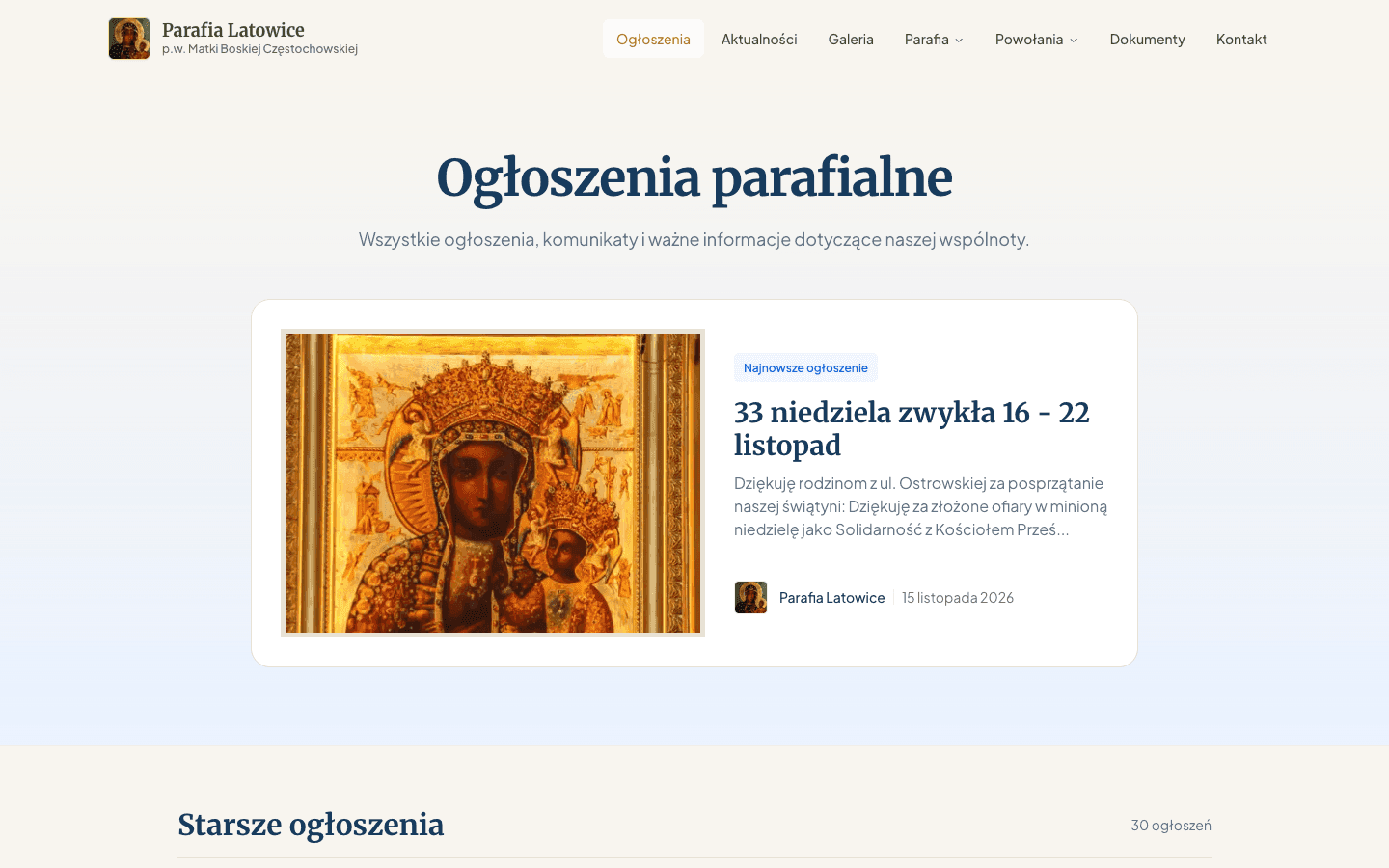
The parish announcements page (Ogłoszenia parafialne), with the latest weekly announcement featured as a card

Goals

What the site had to do

  • Publish weekly announcements as individual, shareable, indexable pages.

  • Make mass times, confession and sacrament requirements reachable in one tap from the home page.

  • Let editors manage the site's content through an admin panel instead of code.

  • Present the parish's history and charitable work (Caritas, hippotherapy, mission wells) properly.

  • Respect church data-protection rules (the KEP decree) and GDPR: technical cookies only, no ad trackers.

  • Be readable by search engines and AI assistants: structured data, llms.txt and Markdown versions of pages.

Way of work

My process

  1. Step 01

    Definition

    Gathered the parish's content: mass and confession schedules, sacrament rules, documents, history, and material about Caritas and the hippotherapy centre.

  2. Step 02

    Plan

    Information architecture around Polish routes such as /ogloszenia, /msze-swiete, /sakramenty, /historia, /galeria and /kontakt, plus a separate /admin area.

  3. Step 03

    Design

    A warm visual language: ivory and cream backgrounds, navy headings, gold accents, Merriweather with Plus Jakarta Sans, and a photo hero of the church interior.

  4. Step 04

    Develop

    Next.js 16 App Router, Tailwind CSS v4 and Radix-based UI. Supabase for auth and document storage, Cloudinary for images and video, Zod for form validation.

  5. Step 05

    Deployment

    Vercel with prerendered, revalidated pages, security headers, a sitemap, JSON-LD structured data, llms.txt and Markdown content negotiation.

Technologies used

Tech stack

  • React
  • Next.js
  • Tailwind CSS
  • Supabase
  • Cloudinary
  • Vercel
  • Radix UI
  • Zod

Retrospective

The hard parts

Challenges

  • New announcements go up every week, so publishing had to work without code changes. That meant an authenticated admin panel, kept separate from a public site that is statically prerendered and revalidated.
  • The pages mix very different content: short weekly notices with mass intentions for each day, long archival history texts, galleries and PDFs. Each needed its own layout and its own structured data.
  • Parish information had to be accurate and machine-readable: JSON-LD with the address, location and office hours, NewsArticle markup for announcements, and plain-Markdown versions of key pages for AI assistants.
  • The site had to comply with the Polish Episcopal Conference's data-protection decree as well as GDPR, without any third-party analytics.

Projects

Other case studies

Restly

A stay booking app with maps, listings, and secure payments.

A vacation rental platform connecting hosts and guests, with map search, booking calendars, messaging and Stripe payments.

  • Next.js
  • Tailwind CSS
  • Prisma
  • MongoDB
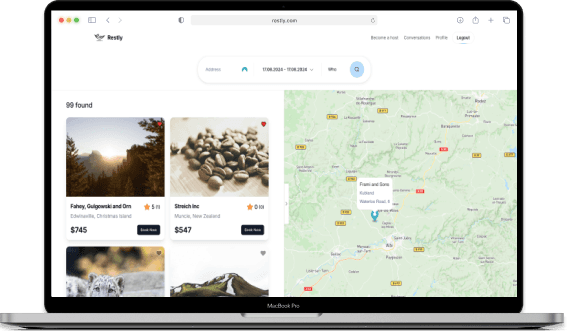
Restly on a desktop screen
Restly on a phone

Let's work together

Have a project that needs to feel fast?

Websites, web apps, performance audits and AI automations. Tell me what you are building and I will reply with the next practical step.